
The Street Has Changed. Have You Noticed?
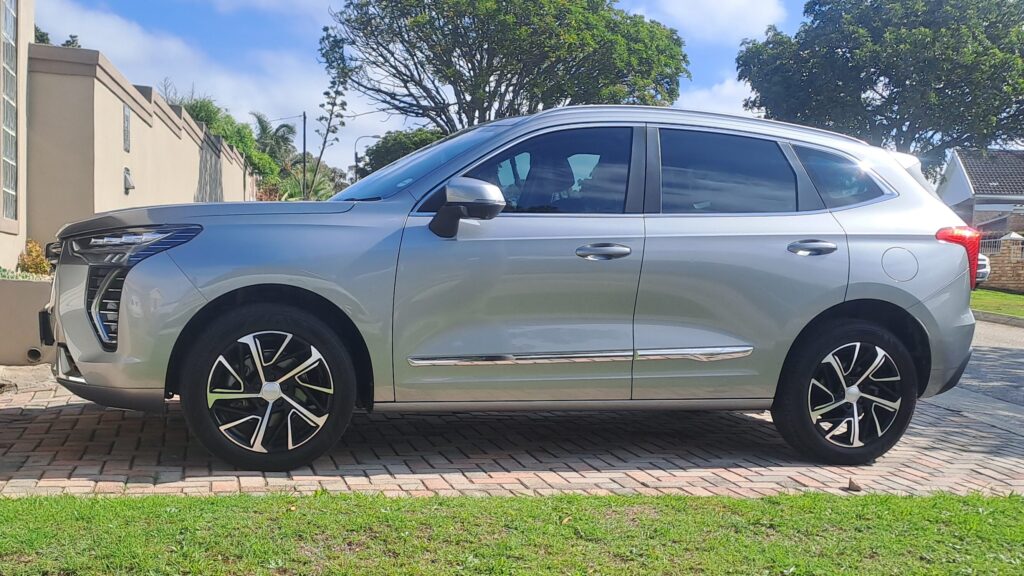
Even if you aren’t a self-proclaimed petrolhead, you can’t deny the scenery on the N2 and your street has changed. You see a Haval, then a Chery, then an Omoda.
My first thought was the same as yours: “Yoh, Die Chinas Vat Oor.” The memes we used to laugh at pertaining to the Chinese build quality are not so funny anymore.
According to Lightstone and Naamsa reports, the growth of Chinese brands is real—aggressive even. In 2019, China had only a 2% market share in South Africa. By 2025, that grew to between 12–15%. That’s takeover vibes. But here is where the story takes a turn you probably didn’t expect.

The Stats That Shocked Me Cold
Contrary to what you may think, the biggest exporter of vehicles to South Africa in 2024 was not China, not Germany, and no, not Japan either. It was India…..According to a Naamsa report, 57% of our vehicle imports came from India in 2024.
Let that sink in. Fifty-seven percent. To put it into perspective: for every three new cars sold in Mzansi right now, one was made in India. Not China. India.
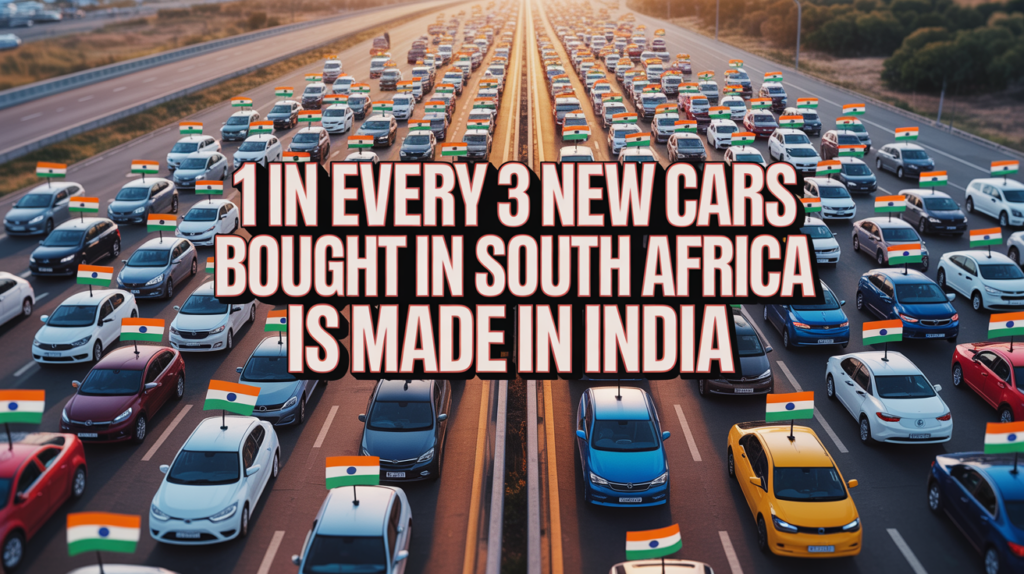
While we were laughing at Beijing jokes, India snuck in and almost captured the entire entry level market: the Suzuki Swifts, the Nissan Magnites, and the Renault Kwids. They didn’t need the flashy marketing; they just used the familiar badges we already trusted.
The Manufacturing Squeeze
According to reporting from Daily Maverick in August 2025, the numbers paint a grim picture
- 2024 local sales: 515,850 vehicles—that’s 34% below industry targets.
- Export sales drop: Nearly 29% between 2023 and 2024
Our local manufacturers are getting squeezed from both sides. Can’t sell enough here because of the import flood. Can’t sell enough overseas because global markets are shifting.
Reality Check: The “Paycheque 4000”
According to the Minister of trade, industry and competition, Parks Tau, the sector lost over 4000 jobs and 12 companies have closed their doors.
You see the thing is, these aren’t just numbers on a spreadsheet, or just mere statistics for a government report, These are real families. Real people. Four thousand paycheques—gone.

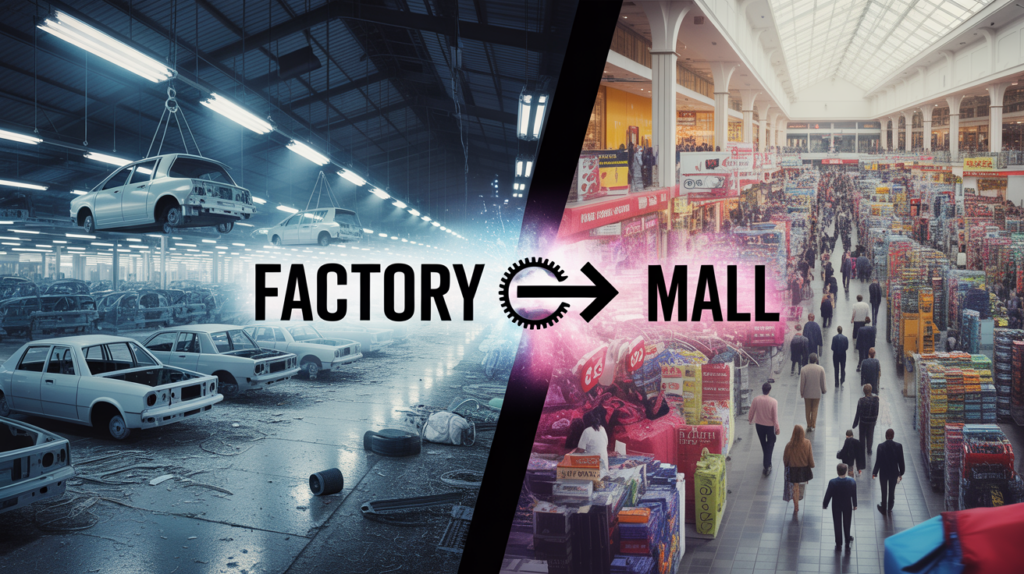
Toyota’s CEO, Andrew Kirby, called it “the first signs of de-industrialisation.” What that means is basically you go from being a factory, to a mall.
The Question Nobody’s Asking
So here’s my question—and I want you to sit with this for a second:
Why don’t we keep the same energy for India that we have for China?
When we talk about the Chinese, it’s: “Import flood!” “Government must do something!” “They’re costing jobs!”
But when we drive a Suzuki Swift, a Nissan Magnite, or a Renault Kwid? Silence.
Is it because they’re wearing familiar badges that don’t look foreign the same way Chinese brands do?
I’m not saying we should point fingers at India. That’s not the point. The point is the Blueprint. Take Chery, for example. They didn’t just ship cars; they bought the old Nissan plant in Rosslyn. (Lance Branquinho)
The Deeper Question
Look, I’m not here to tell you what to buy, or to get you to now consider locally built cars or anything like that.
If a Haval makes you feel like you in a Range Rover, follow your Heart, if a Suzuki saves you money, follow your wallet.
You see, there’s something tangible and intangible that happens when a factory closes, you lose more than jobs. You lose skill. You lose pride. You lose that sense of building things, of making things with your own hands.
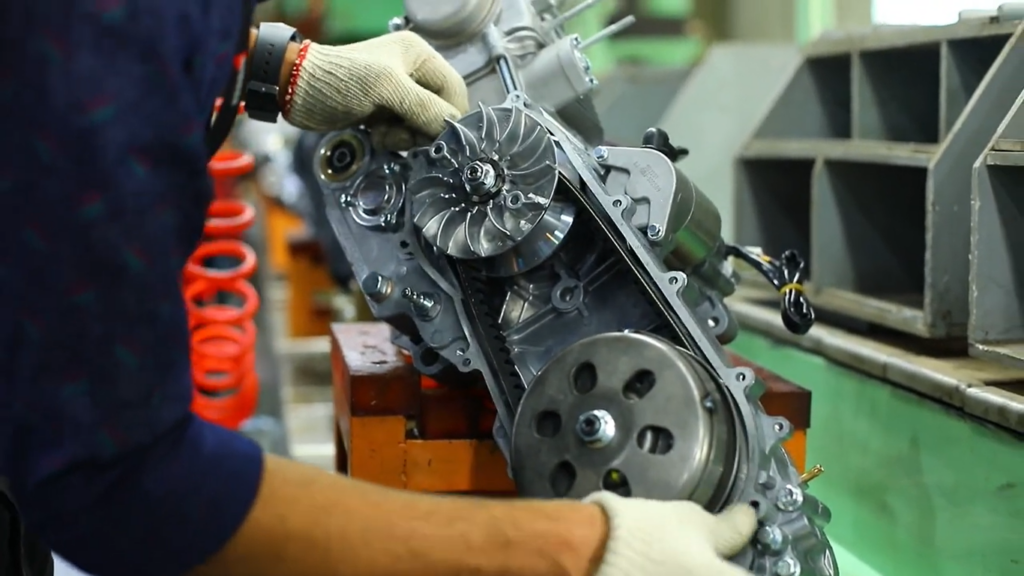
You just lose something……..
South Africa needs to answer a serious question:
Do we want to be a country that builds things, or consumes things?
Want the Full Story?
I discuss this topic in a video on my youtube channel.
Key Takeaways:
- China’s market share grew from 2% (2019) to 12-15% (2025)
- But India accounts for 57% of vehicle imports—1 in every 3 new cars sold
- Local sales missed targets by 34% in 2024
- Exports dropped nearly 29% between 2023-2024
- 4,000 jobs lost, 12 companies closed
- The solution? Building local factories, not just trade barriers
“These are my personal views and experiences. I am not a spokesperson for any company; my opinions do not reflect those of my employer.”
Drive smart, Mzansi.
Sources: Daily Maverick | NAAMSA | Lightstone | Cars.co.za | IOL